
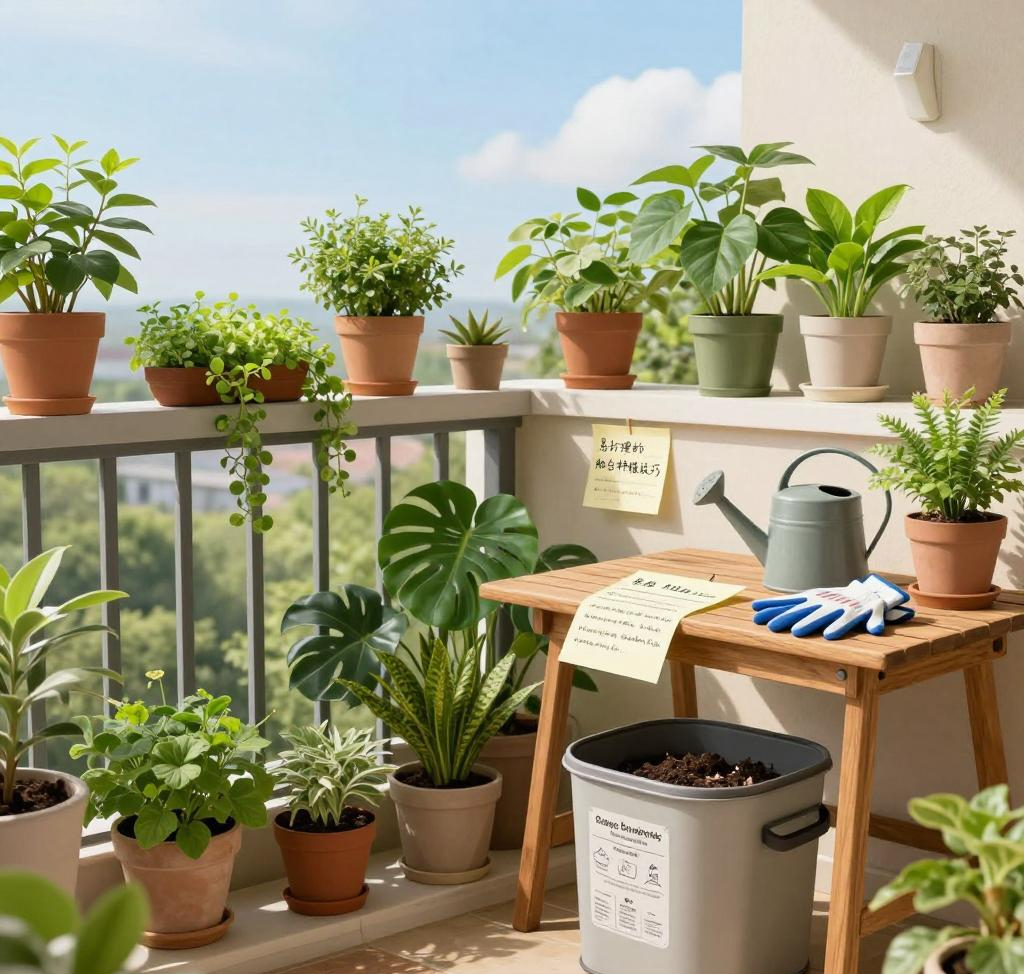
Balcony gardening is the fastest way for apartment dwellers to grow fresh herbs, colorful flowers, and even organic vegetables without a backyard. Whether you have a tiny south-facing balcony or a narrow Juliet shelf, this step-by-step guide will show you how to create a low-maintenance, high-yield balcony garden that survives wind, limited sunlight, and weekend trips away.
1. Audit Your Balcony Micro-Climate First
Before you buy a single seed, spend one sunny day recording:
-
Light duration: Full sun (6 h +), partial sun (3–6 h), or mostly shade?
-
Wind exposure: High-rise balconies often face gusts that dry soil quickly.
-
Weight limits: Check building rules; wet soil in large pots can exceed 50 kg per square foot.
Use a simple light-meter app and note seasonal changes; winter sun angles can drop by 30°, turning a “full-sun” corner into shade.
2. Choose the Right Balcony Garden Containers
Lightweight, food-safe materials matter.
-
Fabric grow bags (5–7 gal) breathe like terra-cotta but weigh 90 % less—perfect railing planters for apartment balconies.
-
Self-watering pots with a 2–3 L reservoir prevent weekend wilting; look for models that include an overflow spout so heavy rain doesn’t drown roots.
-
Vertical pocket planters hang on walls, freeing floor space for chairs or a tiny bistro set.
Drill four 8 mm drainage holes if they’re missing; root rot is the #1 killer of balcony container gardens.
3. Pick the Best Soilless Mix, Not Garden Soil
Bagged “garden soil” compacts in pots and brings fungus gnats. Instead, fill containers with a lightweight soilless balcony mix: 40 % coco coir, 30 % compost, 20 % perlite, 10 % worm castings. This blend retains moisture yet drains fast—ideal for wind-exposed high-rise balconies.
4. Select Low-Maintenance Balcony Plants for Beginners
Match plant light needs to your audit results.
Full-sun balcony (6 h +):
-
Dwarf cherry tomato ‘Tiny Tim’—needs only a 25 cm pot, produces 2 kg fruit per plant.
-
Greek oregano & trailing rosemary—drought-tolerant once established; repel aphids.
Partial-sun balcony (3–6 h):
-
Lettuce ‘Salad Bowl’—cut-and-come-again leaves for 8 weeks.
-
Calendula—edible petals attract pollinators to boost tomato set.
Mostly shade balcony:
-
Mint ‘Moroccan’—thrives in 3 h morning sun; grows in self-watering planters.
-
Begonia dragon-wing—continuous flowers, no deadheading needed.
Start with 3–5 plants; overcrowding causes powdery mildew in humid city summers.
5. Install a Drip-Irrigation Hack for Busy Urbanites
A 5 € gravity-fed kit (2 L bottle + adjustable valve) screwed into a planter saucer gives 48 h moisture. Upgrade to a USB-charged micro-pump timer if you travel weekly; set 30 s pulses at 7 a.m. and 7 p.m. to keep balcony herbs crisp.
6. Feed on a “Weakly Weekly” Schedule
Synthetic crystals crust on container edges. Instead, mix 5 ml organic seaweed extract + 5 ml fish emulsion per litre; water every Friday at half-strength for steady micronutrients without salt burn.
7. Prune & Pinch for Compact Growth
Tomatoes: remove suckers weekly so vines stay 40 cm tall in cages.
Basil: cut above the second node once 4 pairs of leaves appear; this doubles branches and delays flowering.
Calendula: deadhead spent blooms every Sunday to extend color into late fall.
Basil: cut above the second node once 4 pairs of leaves appear; this doubles branches and delays flowering.
Calendula: deadhead spent blooms every Sunday to extend color into late fall.
8. Winterize Your Balcony Garden
USDA zone 7 balconies act like zone 9 against a heated wall, but pots still freeze from the sides.
-
Wrap non-woven frost cloth around containers, not plants.
-
Cluster pots together and elevate 2 cm off cold concrete with pot feet.
-
Move evergreen herbs (rosemary, thyme) indoors to a cool south-facing window; water monthly.
9. Small-Space Composting Without Odor
A 18 L bokashi bucket fits under the sink; ferment kitchen scraps with bran for 2 weeks, then bury the pre-compost in a large 40 cm tomato tub. No smell, no fruit flies, and you recycle 30 % household waste.
10. Harvest & Enjoy
Pick basil in the morning after dew dries for peak essential oils. Snip outer lettuce leaves at 5 cm so the heart keeps producing. Harvest tomatoes when color blushes 50 %—they finish ripening with full flavor on the kitchen counter.
By following these balcony gardening tips, even a 4-foot fire-escape landing can supply 10 % of a city dweller’s fresh produce from spring through frost. Start small, observe patiently, and let your tiny outdoor room bloom into a green sanctuary.